
Power walking vs weighted walking: which should you try?
By the MORE OUTSIDE editorial teamPublished 4 min readSources checked 10 November 2026

The short answer
Power walking adds effort through pace and arm swing and needs no kit. Weighted walking adds effort by carrying extra load, usually in a vest. They can overlap but are not the same thing. If you are new to brisk walking, start with power walking and consider a vest later.
What is the main difference between power walking and weighted walking?
Power walking makes a walk harder by changing how you move: a quicker pace, a purposeful arm swing and good posture. Weighted walking makes a walk harder by changing what you carry: extra load, usually in a vest, at your normal pace.
You can combine them, but they are not synonyms, and you don't need to do both. Adding load and speed at the same time is a bigger jump than most beginners need. Our guides to power walking for beginners and weighted walking for beginners cover each in detail.
How do brisk, power, weighted and Nordic walking, rucking and running compare?
Each of these is a different way to raise the effort of being on your feet. None is automatically better or safer; the right one depends on what you enjoy, your health and your route.
| Activity | What changes | Equipment | Worth considering |
|---|---|---|---|
| Brisk walking | A faster pace than a stroll, about 3 mph for many people, where you can talk but not sing [1] | Comfortable shoes | The everyday base for the others |
| Power walking | Brisk pace plus purposeful arm swing and posture | Comfortable shoes | Technique matters more than speed; avoid over-striding |
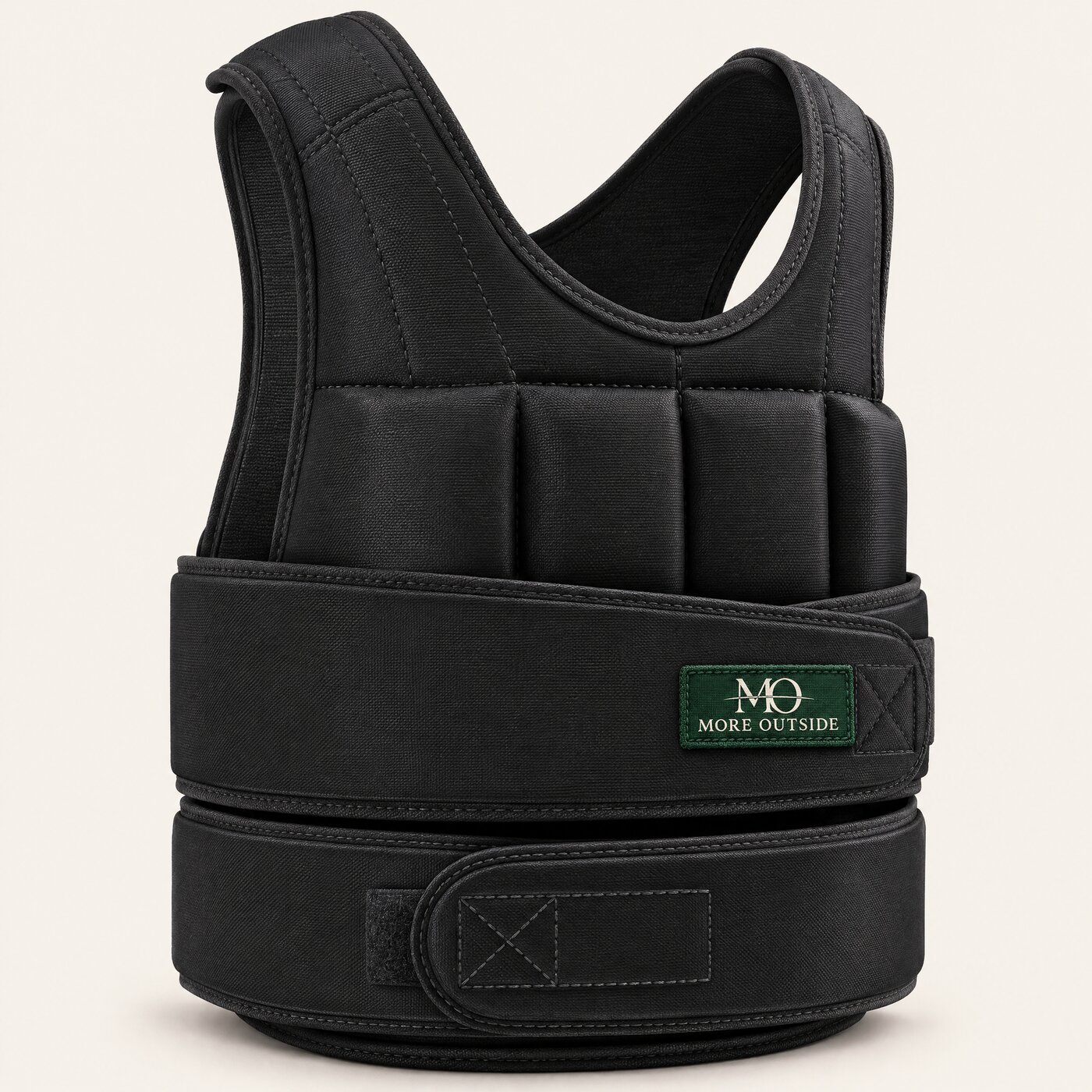
| Weighted walking | Extra load carried on the body, usually in a vest | An adjustable weighted vest | Start light on familiar walks; ask a GP first if you have bone, joint, heart or balance concerns |
| Rucking | Walking with a loaded backpack | A backpack, often with a hip belt | Load sits mostly on the back, which changes posture |
| Nordic walking | Poles are planted behind you to push along, so the arms and upper body work more | Purpose-made Nordic poles | Needs specific technique, ideally from an instructor; trekking poles are not the same |
| Running | Both feet leave the ground, so effort and impact rise | Running shoes | A different activity with more impact; not a step up you have to take |
How do you choose which one to try?
A few questions usually point the way. Follow the decision guide below, then use the effort you feel, rather than a number, to judge whether a walk suits you [2].
1. Do you already walk briskly and comfortably most weeks?
Not yet: Start with brisk walking, then try power walking.2. Would you rather add effort without carrying anything?
Yes: Power walking: pace, posture and arm swing.3. Any bone, joint, back, heart, lung or balance concerns?
Yes or unsure: Talk to your GP or a physiotherapist first.No: Try weighted walking with the lightest load on a short, familiar route.
When might power walking suit you better?
Power walking is a good fit if you want more from walks you already enjoy without buying anything, if you like the idea of improving technique, or if you would rather not carry extra weight. It also works on any route and can be dropped back to an ordinary walk at any moment.
When might weighted walking suit you better?
Weighted walking may appeal if you already walk comfortably and regularly, want a familiar route to feel harder without walking faster, and are happy to fit and adjust a vest. It is best used on some walks rather than all of them.
It isn't a shortcut to particular health results, and it doesn't replace strength and balance exercises, which the NHS recommends on two days a week for adults aged 65 and over [3]. If you have osteoporosis, joint or back problems, a heart or lung condition or balance concerns, speak to your GP first. For choosing a vest, read our guide to weighted vests for women over 50.
Can you combine power walking and weighted walking?
You can, but there is rarely a reason to start that way. Each one raises the effort of a walk on its own, so doing both at once is a bigger change than it looks. If you enjoy both, a simple approach is to keep them on separate walks: a brisk, unweighted walk on some days, and a slower, familiar route with a light vest on others.
If you later want to bring them together, add one thing at a time and keep checking how you feel during and after. A vest usually makes a long arm swing feel different, so many people keep their arms more relaxed and their pace steadier when they are carrying load. The talk test still applies whatever you choose: if you can no longer hold a conversation, slow down or take weight out [1][2].
Whichever you pick, ordinary walking still counts. A gentle stroll with a friend, a walk to the shops or a wander with the dog all add to your week, even on days when you don't want any extra effort at all.
Where do walking poles fit in?
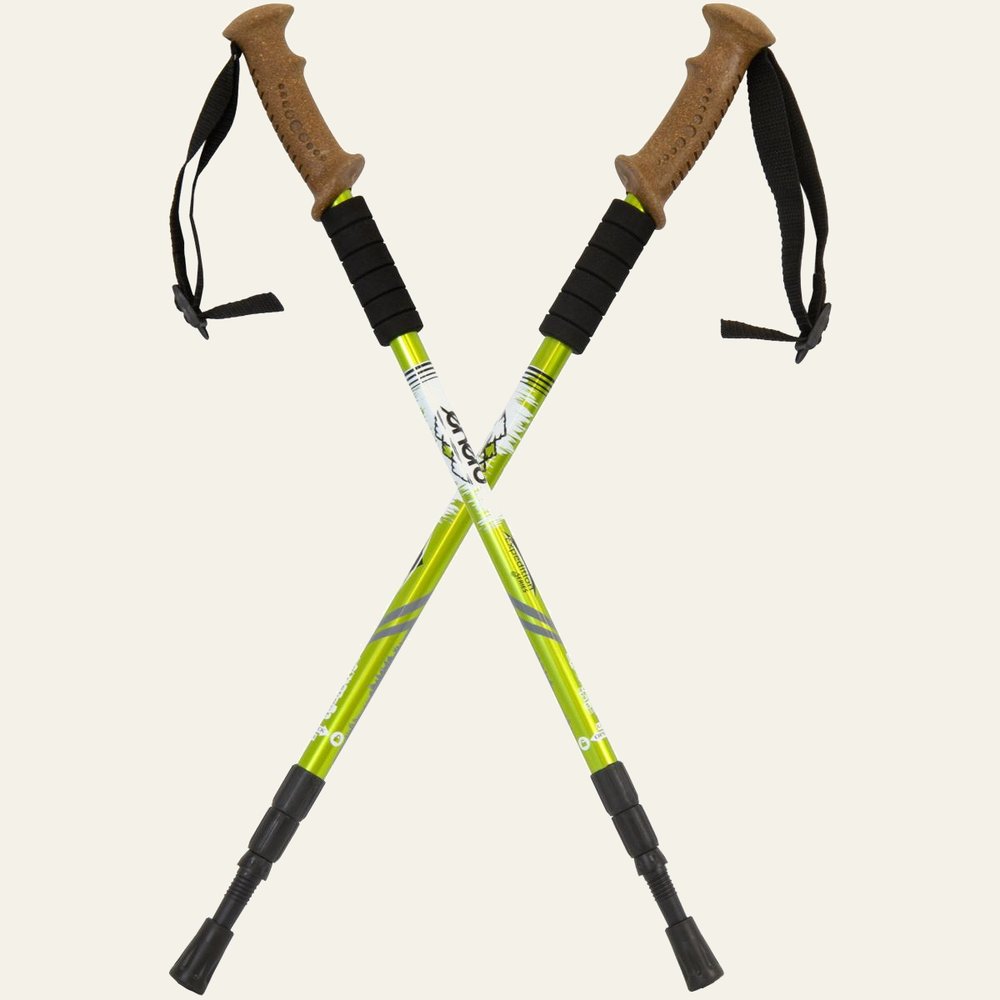
Poles are a separate question from pace or load. Trekking poles, like our Enero Expedition trekking poles, are designed to help with stability on rough ground, hills and descents. They are not Nordic walking poles, which have different tips and straps and are used with a specific technique. You don't need poles for power walking or weighted walking on ordinary paths.
Common questions
- Is power walking the same as weighted walking?
- No. Power walking adds effort through pace and arm swing; weighted walking adds effort by carrying load. You can combine them, but you don't have to.
- Can I power walk while wearing a weighted vest?
- You can, but most people find it easier to keep them on separate walks at first and change one thing at a time.
- Which is better for beginners?
- Most beginners find it easiest to build a brisk or power walking habit first, then consider a vest later if they want more effort.
- Is rucking the same as walking with a weighted vest?
- Not quite. Rucking usually means a loaded backpack; a vest spreads the load around the upper body.
- Can I use trekking poles for Nordic walking?
- Trekking poles are made for stability on rough ground. Nordic walking uses purpose-made poles and a specific technique.
General information, not personal medical advice. If you have a health condition, are new to exercise or are unsure, talk to your GP before changing your activity.
Sources
- [1] NHS. Walking for health (accessed 10 November 2026). Read source (opens in a new tab)
- [2] Centers for Disease Control and Prevention (US). Measuring physical activity intensity (accessed 10 November 2026). Read source (opens in a new tab)
- [3] NHS. Physical activity guidelines for older adults (accessed 10 November 2026). Read source (opens in a new tab)
Next step: our free beginner guide
Pace, the talk test, shoes, weather and when to stop — on one printable page.
Read the guideOptional kit mentioned here
Only weighted walking needs a vest. Our trekking poles are for rough or hilly routes; they are not Nordic walking poles.
Keep reading

5 min read
Power walking for beginners: how to start after 50
What power walking is, how to hold your posture and swing your arms, how fast to go, a simple first session and the mistakes to avoid. No kit needed.

5 min read
Weighted walking for beginners: how to start with a vest
What weighted walking is, when to try it, how to fit a vest and choose a light first load, how long and how often to walk, and what a vest can't do.