
Power walking for beginners: how to start after 50
By the MORE OUTSIDE editorial teamPublished 5 min readSources checked 10 November 2026

The short answer
Power walking is purposeful brisk walking. You walk a little faster than usual and use a natural, bent-arm swing to help you along, at a pace where you can still talk but not sing. You don't need weights or special equipment, just comfortable shoes and a route you know.
What is power walking?
Power walking is walking with intent. Instead of strolling, you pick up the pace, stand tall and let your arms work with your legs. It sits between an everyday walk and a jog: your heart rate and breathing go up, but you keep contact with the ground rather than adding the flight phase of running.
It is not the same as race walking, which is a competitive event with strict rules about straight legs and hip movement. You don't need any of that. Think of power walking as your normal walk, done with a bit more purpose.
How should you hold your body when power walking?
Good technique is mostly about staying relaxed while you move a little faster. Three cues cover most of it, and you can practise one at a time.
- Tall and relaxedHead up, eyes ahead, shoulders loose and low.
- Bent-arm swingElbows gently bent; arms swing forwards and back, close to your sides.
- Shorter, quicker stepsSpeed from rhythm, not reach. Land on the heel, roll through the toes.
- Stand tall and look ahead. Imagine a string lifting the top of your head, keep your chin level and look a few metres along the path rather than at your feet.
- Let your shoulders drop. Many people hunch when they speed up. Roll your shoulders back once, then let them hang loosely.
- Bend your elbows and swing from the shoulder. A gentle bend, with hands loosely closed, lets your arms swing forwards and back close to your sides. Keep the movement natural; big, chopping or across-the-body swings waste energy and can strain your shoulders.
- Take comfortable, slightly quicker steps. Speed comes from a quicker rhythm, not from reaching further forward. Overlong strides tend to jar the heel and slow you down.
- Roll through your foot. Land gently on the heel and push off through the toes. Supportive, flexible walking trainers make this easier.
How fast is power walking?
There is no official speed. The NHS describes a brisk walk as roughly 3 miles an hour (about 4.8 km/h), at a pace where you can talk but not sing [1]. Treat that as an illustration of what brisk feels like for many people, not a minimum you must reach or a target to beat. Your own pace will depend on your height, fitness, the terrain and the day.
It is more useful to judge effort by how you feel. The talk test works well: if you can chat in full sentences but would struggle to sing, you are walking briskly. The US Centers for Disease Control and Prevention describe this kind of relative effort as a practical way to gauge moderate activity [3]. If you can sing, speed up a little; if you can only manage a word or two, ease off.
What could a first power walking session look like?
Here is one simple shape for a session. It is an editorial example to adapt, not a medical programme, and there is nothing special about the timings.
- Easy start: walk at your normal pace for five minutes or so to warm up.
- Brisk middle: pick up the pace for a few minutes, using the arm swing and quicker steps, then return to an easy pace. Repeat once or twice if it feels good.
- Easy finish: walk gently for the last few minutes and let your breathing settle.
How often should a beginner power walk?
The NHS suggests building up gradually if you are new to exercise, and says short walks still count [1]. A couple of sessions a week on a familiar route is a reasonable start for many people, with ordinary walking on other days. Once that feels comfortable, change one thing at a time: a few more brisk minutes, an extra session or a gentle hill.
If you are 65 or over, the NHS guidance for older adults also suggests activities for strength, balance and flexibility on two days a week, alongside moderate activity such as brisk walking [2]. Power walking doesn't cover those on its own. If you haven't been active for a while or have a health condition, the same guidance advises speaking to your GP first [2]. Stop and seek advice if you feel chest pain, dizziness or unusual breathlessness.
What are the most common power walking mistakes?
Most problems come from trying too hard, too soon:
- Over-striding to go faster, which tends to jar the heels and knees.
- Pumping the arms high or across the chest. Keep the swing low and close.
- Leaning forward from the waist, especially uphill. Stay tall and shorten your steps instead.
- Gripping your fists or tensing your shoulders. Loose hands, loose shoulders.
- Going fast for the whole walk. A mix of easy and brisk minutes is easier to keep up.
Do you need weights or special kit for power walking?
No. Power walking gets its effort from pace and posture, so it needs no added weight. Hand or ankle weights can change the way your arms and legs swing and are not part of the technique. Weighted walking is a separate, optional activity, covered in our beginner's guide to weighted walking, and our comparison of power and weighted walking explains how the two differ.
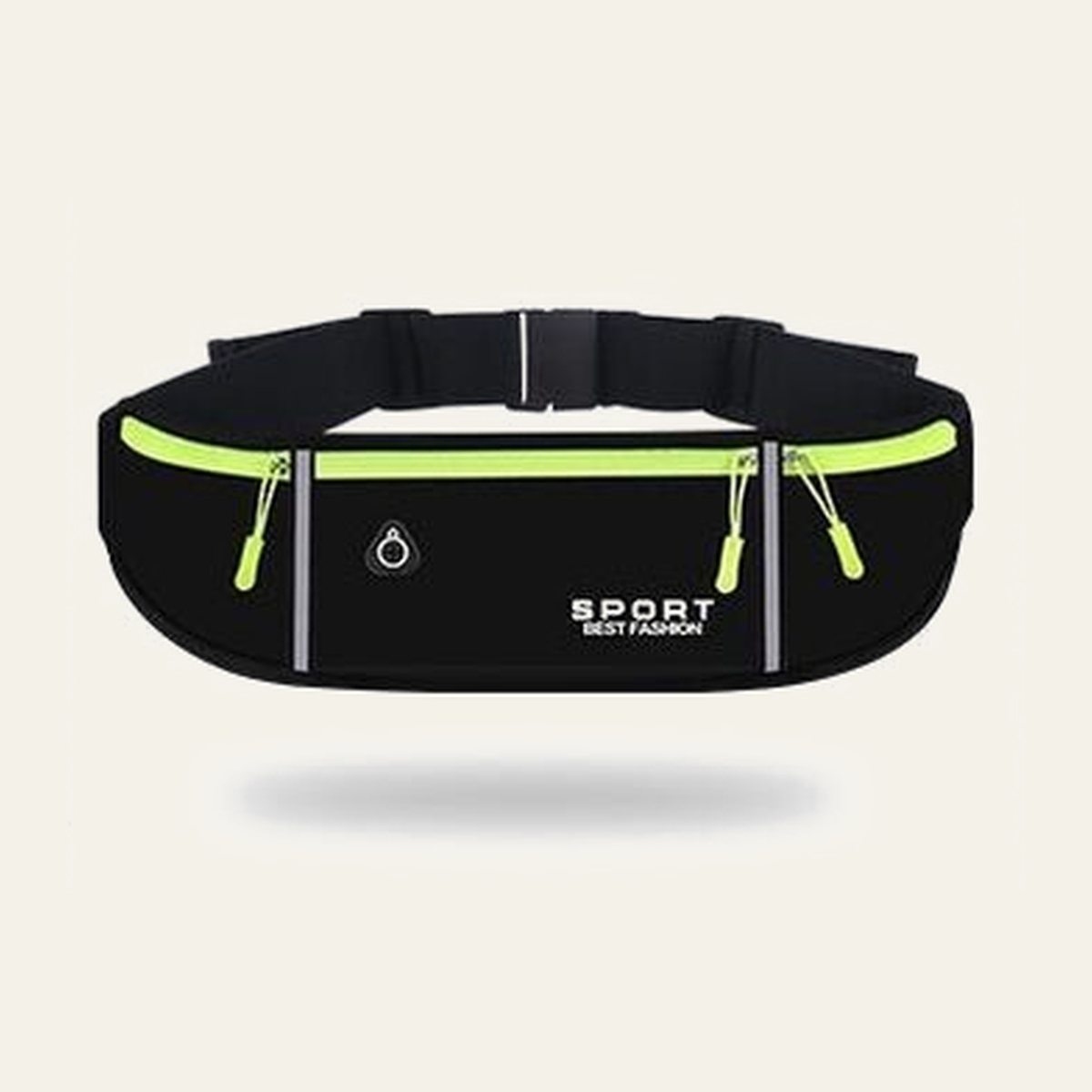
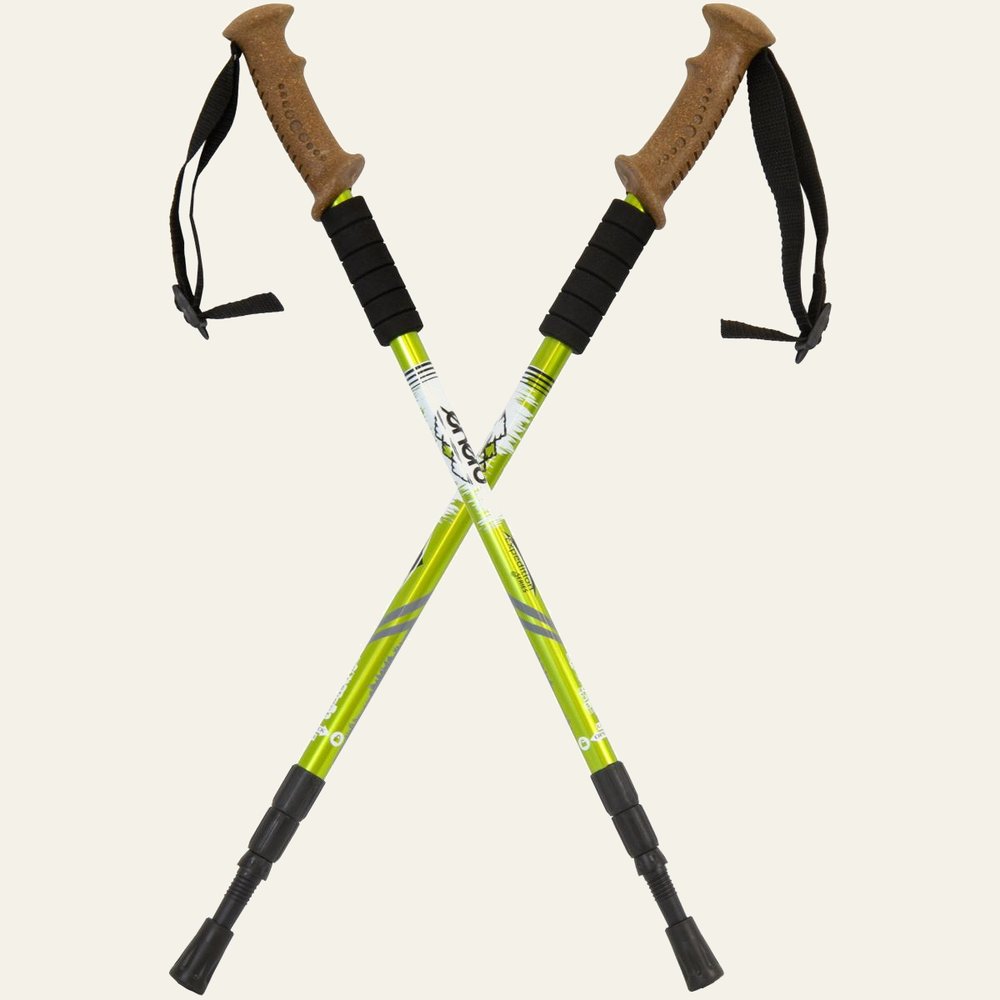
Comfortable, supportive shoes matter most [1]. Everything else is optional: a small bag for keys and phone, a light layer you can take off, and poles if your route is steep or uneven. For more on building a regular habit, see our guide to walking for fitness after 50.
Common questions
- Is power walking good for beginners?
- Yes. It is ordinary walking done a little faster, so you can start at your own pace and build up gradually.
- How fast should I power walk?
- Fast enough that you can talk but not sing. The NHS gives about 3 mph (4.8 km/h) as an example of brisk walking, not a target.
- Should I swing my arms when power walking?
- Yes, with elbows gently bent and the swing close to your sides. Avoid big or across-the-body movements.
- Do I need weights for power walking?
- No. Power walking needs no added weight. Weighted walking is a different, optional activity.
- Can I power walk every day?
- Many people walk daily. If you are new to brisk walking, mix easy and brisk days and build up gradually.
General information, not personal medical advice. If you have a health condition, are new to exercise or are unsure, talk to your GP before changing your activity.
Sources
- [1] NHS. Walking for health (accessed 10 November 2026). Read source (opens in a new tab)
- [2] NHS. Physical activity guidelines for older adults (accessed 10 November 2026). Read source (opens in a new tab)
- [3] Centers for Disease Control and Prevention (US). Measuring physical activity intensity (accessed 10 November 2026). Read source (opens in a new tab)
Next step: our free beginner guide
Pace, the talk test, shoes, weather and when to stop — on one printable page.
Read the guideOptional kit mentioned here
You don't need any of this to power walk. A small belt bag is handy for keys and a phone, and poles can help on rough or hilly routes.
Keep reading

4 min read
Power walking vs weighted walking: which should you try?
How power walking and weighted walking differ from brisk walking, rucking, Nordic walking and running, what each needs, and a simple way to choose.

3 min read
Walking for fitness after 50: how to build a routine that lasts
How walking counts as exercise after 50, how brisk, power and weighted walking differ, and simple ways to make a regular walk harder without rushing it.