
Benefits of walking after 50: how to build a routine that lasts
By MORE OUTSIDE editorial3 min readSources checked 9 November 2026

The short answer
Regular brisk walking is one of the simplest ways to meet the NHS target of 150 minutes of moderate activity a week. After 50 it needs no special kit: comfortable shoes, a pace where you can talk but not sing, and a routine you build gradually.
Why walking is worth it after 50
Walking is free, familiar and easy to fit around a day. The NHS describes brisk walking as a way to build stamina and support heart health, and notes that even a brisk 10-minute daily walk counts towards your weekly activity [1].
The World Health Organization links regular physical activity in adults with lower risk of heart disease and type 2 diabetes, fewer symptoms of depression and anxiety, and better sleep and overall wellbeing [4]. Those are findings about physical activity in general — walking is one good way to get it, not a guaranteed treatment.
How much activity the NHS suggests
Adults up to 64 are advised to do at least 150 minutes of moderate activity a week, plus strengthening activities on at least two days [2]. From 65, the advice adds activity every day — even light — and exercises for strength, balance and flexibility on two days a week [3].
If that sounds a lot, divide it up: 150 minutes is about 22 minutes a day, or five 30-minute walks. Several shorter walks count too.
Brisk, power, race and weighted walking: what's the difference?
These terms are often mixed up. A rough guide:
- Brisk walking — faster than a stroll, about 3 miles an hour; you can talk but not sing [1]. This is the everyday starting point.
- Power walking — brisk walking with a stronger arm swing and a quicker cadence. A popular next step for beginners who want more effort.
- Race walking — a competitive technique with strict rules about foot contact and a straight leg. Not needed for health.
- Weighted walking — walking while carrying extra load, usually a weighted vest. An optional way to add challenge once ordinary walking feels comfortable.
How to build a walking routine that lasts
Habits stick when they are easy and attached to something you already do. The NHS suggests walking part of a journey, walking to the shops or leaving the car for short trips [1]. A few practical habits:
- Pick one regular slot — after breakfast, or before the evening news — and keep it for three weeks.
- Start with a route you know, 10 to 20 minutes long, and add a few minutes each week if you're new to activity [1].
- Use the talk test rather than a watch to judge pace.
- Plan a wet-weather version: a shorter loop, or a walk with a friend under umbrellas.
- Change one thing at a time: distance, pace, hills or load — never all at once.
Do you need any equipment?
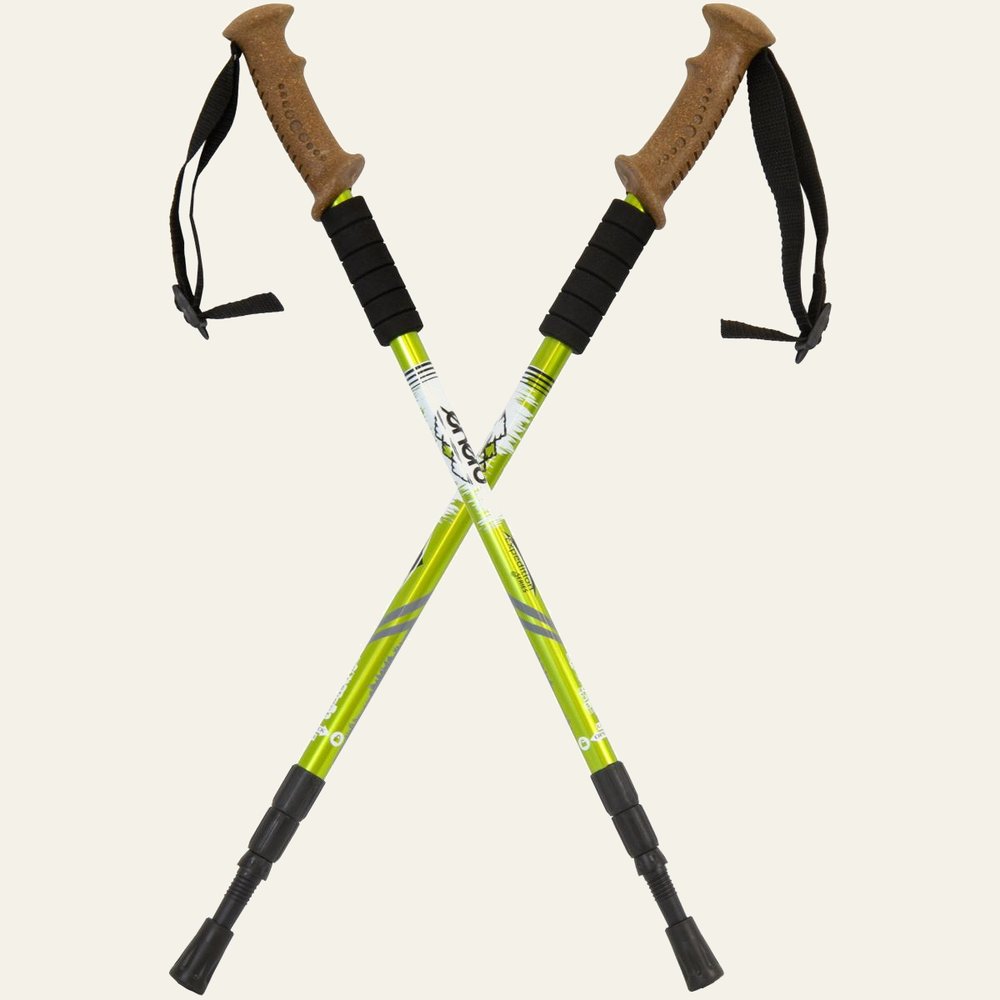
No. The NHS says any shoes that are comfortable, supportive and don't cause blisters will do [1]. Poles can help some people on uneven ground, and a weighted vest is a later, optional choice. If you have a health condition or haven't been active for a while, the NHS recommends speaking to a GP first [2][3].
Common questions
- Is walking enough exercise after 50?
- Brisk walking can cover the moderate-activity part of the NHS guidelines. You'll also want strengthening activities on two days a week, and balance work from 65.
- How fast should I walk?
- Fast enough that you can talk but not sing. The NHS puts a brisk walk at about 3 miles an hour.
- Is power walking good for beginners?
- Start with brisk walking. Once that feels easy, a stronger arm swing and quicker steps are a simple way to add effort.
- Should I start with a weighted vest?
- No. Build a regular walking habit first. A vest is an optional step later, and not suitable for everyone.
General information, not personal medical advice. If you have a health condition, are new to exercise or are unsure, talk to your GP before changing your activity.
Sources
- [1] NHS. Walking for health (accessed 9 November 2026). Read source (opens in a new tab)
- [2] NHS. Physical activity guidelines for adults aged 19 to 64 (accessed 9 November 2026). Read source (opens in a new tab)
- [3] NHS. Physical activity guidelines for older adults (accessed 9 November 2026). Read source (opens in a new tab)
- [4] World Health Organization. Physical activity (fact sheet) (4 November 2026). Read source (opens in a new tab)
Next step: our free beginner guide
Pace, the talk test, shoes, weather and when to stop — on one printable page.
Read the guideOptional kit mentioned here
None of these are needed to start walking.
Keep reading

3 min read
How many steps a day after 60? What the research actually says
Do you need 10,000 steps? A plain-English look at the 2022 meta-analysis of 15 cohorts, what 6,000–8,000 steps means for over-60s, and its limits.

2 min read
Walking and mental wellbeing after 50: making room for time outdoors
How regular walks, company and time outside can support mood after 50, simple ways to make room for them, and when to ask for more support.