
Walking and mental wellbeing after 50: making room for time outdoors
By MORE OUTSIDE editorial2 min readSources checked 9 November 2026

The short answer
Regular physical activity is linked with fewer symptoms of depression and anxiety, better sleep and wellbeing. A walk outdoors, alone or with others, is an easy way to build that into a week. It supports wellbeing but isn't a substitute for treatment when low mood persists.
What the evidence says about activity and mood
The World Health Organization states that physical activity in adults reduces symptoms of depression and anxiety, enhances brain health and can improve overall wellbeing [1]. For older adults it also links activity with better sleep and cognitive health [1].
That's activity in general. Walking is one of the most accessible forms, and it's the one many people find easiest to repeat.
Three things a walk can add to your week
Beyond the movement itself, a regular walk often brings:
- Rhythm — a fixed time to step away from screens, chores or worries.
- Company — walking side by side makes conversation easier for many people. The NHS suggests walking with others as a way to stay motivated [3].
- Somewhere different — a park, a canal or a hill path offers a change of scene, light and season to notice.
Making room for time outdoors
Wellbeing walks don't need to be long or fast. The NHS asks adults over 65 to be active every day, even lightly, and to break up long periods of sitting [2]. Some ways to fit it in:
- A ten-minute "first light" walk before breakfast, in any weather.
- A weekly walk with one friend, at the same time and place.
- A free local walking group — many are volunteer-led and set an easy pace.
- A "notice five things" walk: five sounds, colours or birds along the way.
Walking through life changes
Retirement, caring, menopause or bereavement can change how a day is structured. A walk is a small, steady anchor that doesn't depend on anyone else's timetable, and it can be as short as you need on a difficult day.
Winter deserves a plan of its own. Shorter days make it easy to stay in, so pick a daylight slot around midday, keep a warm layer and hat by the door, and choose a well-lit, level route for icy spells.
The NHS lists regular exercise, rest and relaxing activities among ways to ease mood changes around menopause, and suggests talking to people going through the same thing [4].
When to look for more support
Walking can support wellbeing, but it isn't a cure for depression or a replacement for treatment. If low mood, anxiety or poor sleep last for more than a couple of weeks or are affecting your daily life, speak to your GP. Talking therapies and other treatments can help, and you can keep walking alongside them.
Common questions
- Can walking improve my mood?
- Regular activity is linked with fewer symptoms of depression and anxiety. Many people find a walk helps, but it varies.
- How long should a wellbeing walk be?
- There's no set length. Even 10 minutes of brisk walking counts towards your weekly activity.
- Is walking alone or with others better?
- Both have value. Walking with others adds company; walking alone can give quiet time. Choose what you'll repeat.
- Can walking replace treatment for depression?
- No. Speak to your GP if low mood persists. Walking can sit alongside treatment.
General information, not personal medical advice. If you have a health condition, are new to exercise or are unsure, talk to your GP before changing your activity.
Sources
- [1] World Health Organization. Physical activity (fact sheet) (4 November 2026). Read source (opens in a new tab)
- [2] NHS. Physical activity guidelines for older adults (accessed 9 November 2026). Read source (opens in a new tab)
- [3] NHS. Walking for health (accessed 9 November 2026). Read source (opens in a new tab)
- [4] NHS. Things you can do to help menopause and perimenopause symptoms (reviewed 19 May 2026). Read source (opens in a new tab)
Next step: our free beginner guide
Pace, the talk test, shoes, weather and when to stop — on one printable page.
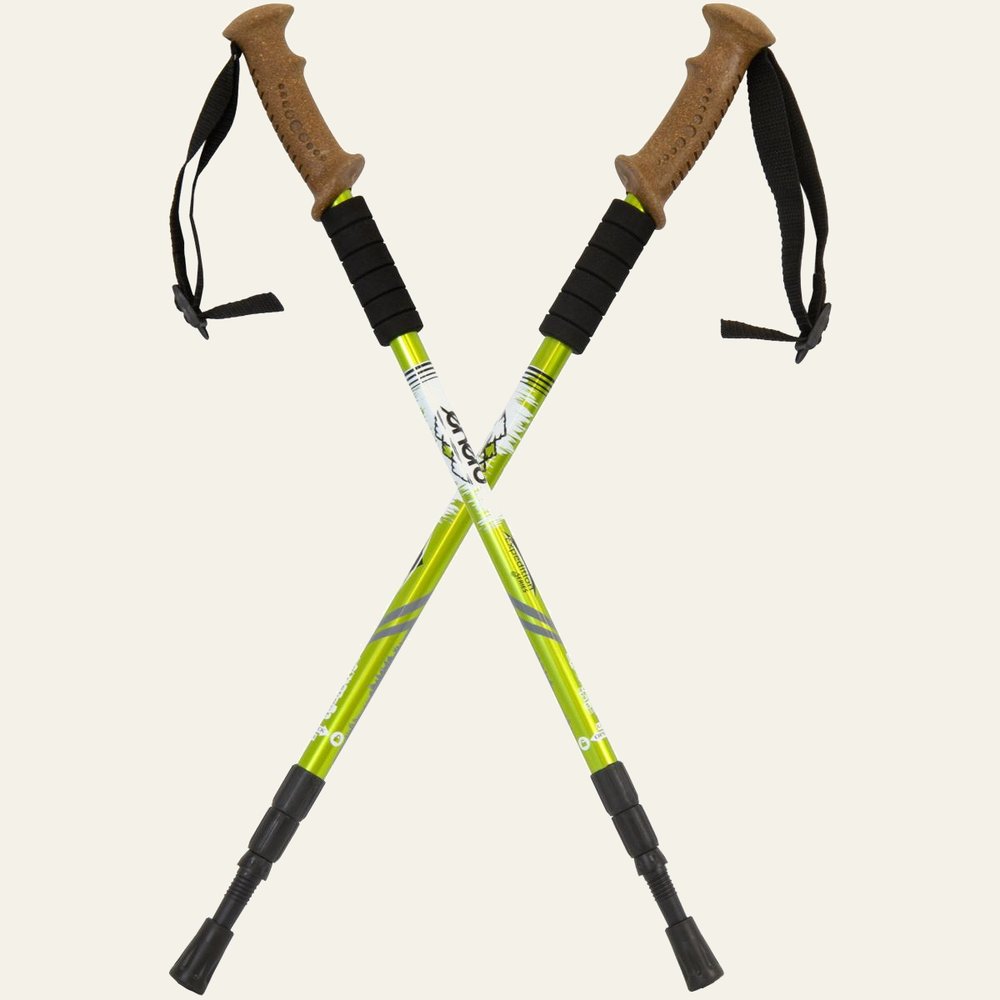
Read the guideOptional kit mentioned here
None of these are needed to start walking.

Keep reading

2 min read
Walking during menopause: a practical guide to staying active
How walking and strength work fit into menopause and perimenopause, what the NHS suggests, staying comfortable on warm days, and realistic expectations.

3 min read
Benefits of walking after 50: how to build a routine that lasts
What regular walking can do after 50, how brisk walking differs from power, race and weighted walking, and a simple way to build a habit you keep.